I have decided to do my project on a subject that is extremely important to me not only on a personal level but from a political and ethical stand point also.
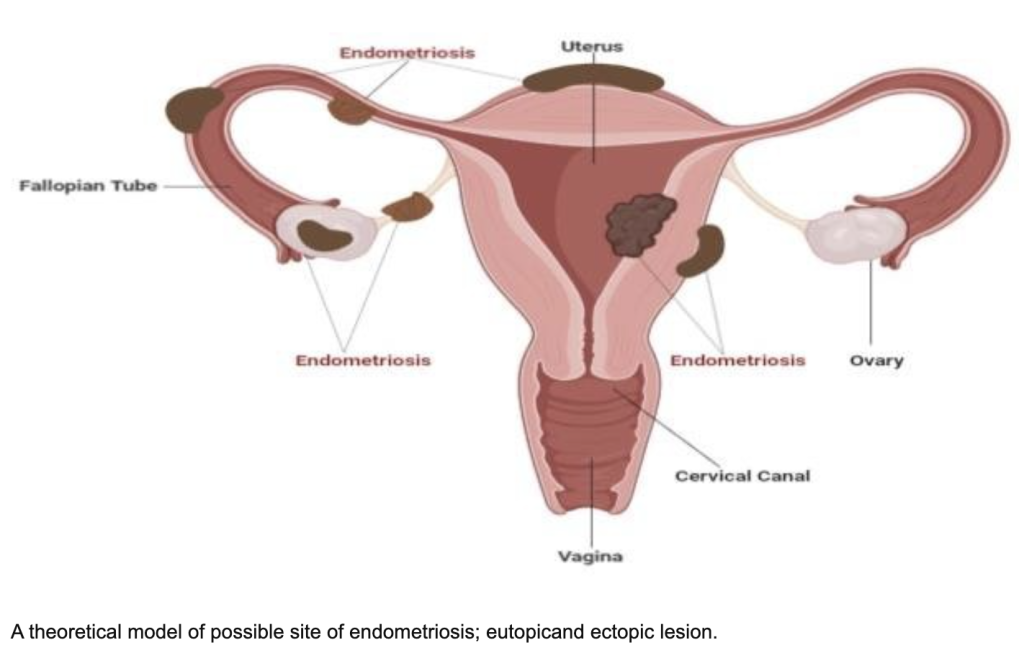
My project proposes the development of an interactive AR experience that visually represents endometriosis, a chronic and often misunderstood illness. My goal would be to make an educational tool that allows users to explore a 3D model of the female reproductive system, highlighting Endometriotic lesions, adhesions, cysts, inflammation and other symptoms that give a largely invisible condition the chance to be seen.
My goal is to combine realistic anatomical models with interactive labels and explanatory content. With the aim to enhance understanding of endometriosis for patients, healthcare providers, and the general public. It’s also intended not only to educate but to support women in communicating the complexity of their symptoms to doctors, as this can be a difficult stepping stone in getting the correct care. Clinical understanding of female’s health care in general can mean that symptoms are overlooked or not taken seriously and this can make it even more difficult for women to communicate what they are experiencing without fear of judgement. “Waiting times for a diagnosis have significantly deteriorated in the past three years, increasing to an average of eight years and 10 months” (Endometriosis UK,25) proving that women are not being taken seriously.
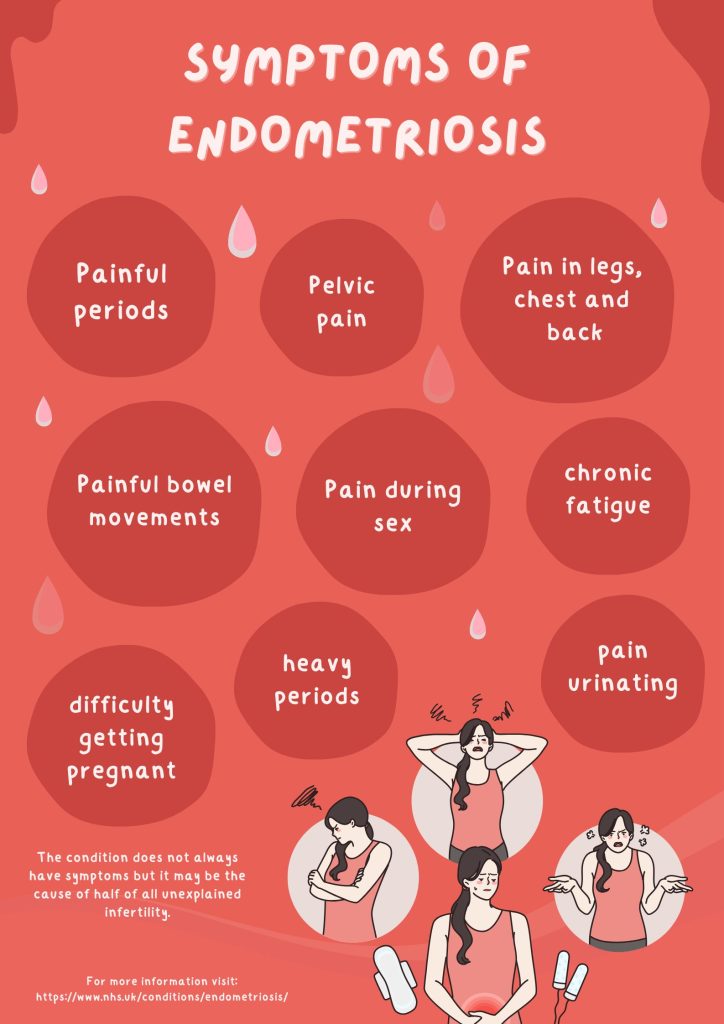
“Endometriosis impacts on the physical and mental health of 1 in 10 women and those assigned female at birth in the UK. That’s over 1.5 million who desperately need support and information to help them understand this chronic condition.“ (“About Us | Endometriosis UK”)
Users will hopefully be able to explore the model, view highlighted affected areas, and access information about symptoms, diagnosis, and treatment options in a clear and engaging way. I will have to consider carefully user experience and ethical consideration. Endometriosis is not just a physical condition it is also linked to difficulties with mental health – a subject that is to be respected and taken seriously. So I will consider this throughout my project.
From a UX perspective, I want to emphasise focus on accessibility, clarity, and easy interactivity. By designing the AR interface to be intuitive, I can ensure that users with varying levels of technological skills can navigate the model easily.
Considerations include : Very Clear text and language
Colour coded highlights for affected areas
Guided navigation paths
Clickable labels and gentle animations
Calming and soft colours and sound
All features these considerations will help users be able to focus on key areas and understand the progression of symptoms. I will also factor in how the experience of using the app could potentially be emotional for users, presenting information in an empathetic and non-alarming way will be something to consider of the highest importance.
In terms of Ethical considerations I feel they are extremely central to this project, due to the sensitive nature of Endometriosis and health related content in general. I must make sure that any information I include is sourced from verified clinical references to ensure accuracy and no transfer of misinformation, this includes representations of symptoms and anatomy, which must be carefully designed to avoid causing un-due concern or worry for users. Its also important to consider that users will have different levels of medical literacy and I should consider less/more complex variations during the design process.
Part of ensuring these ethical considerations are met, will be through User Testing, involving some individuals with lived experiences of endometriosis. However discretion and privacy of participants will be strictly maintained, in alignment with my other ethical considerations.
Accessibility within my AR experience should mean both a technical and accessible experience. Making sure I can provide the widest range of users a platform that is easy understand, navigate, and benefit from. I am going to use platforms that allow for use on mobile devices and browsers rather than expensive headsets, ensuring it’s widely accessible to users without specialised equipment. According to USwitch “In 2025, 95% of Brits own a smartphone, around 53 million people.” (Boyle and barber,25) making a Mobile compatible app very widely accessible.
Graph Showing how many brits own a smart phone (Boyle and barber,25)

I also believe that Cultural Considerations should be of the highest importance to me whilst making this AR platfrom. I myself feel very free to talk about reproductive women’s health, but it’s important for me to recognise not all cultures may view it in the same way. I think I could do this by focusing on the educational aspect off the content, rather then using graphic images or sensationalising content to shock. I want all women to feel able to access the app without being uncomfortable or upset. For example, Women from a middle class White British background, may have a different experience visiting health professionals or even speaking to family and friends about their health concerns. Including different beliefs about women’s bodily functions, then someone of a different culture or ethnicity.
A paper from the national library of medicine, says in rural villages in South Africa “It has been culturally noted that a regular, heavy, red menstrual bleeding is perceived as providing a “healthy clean-out of the womb,” and this could contribute to substantially delaying presentation for professional care.” (Marabele et al,2020) Where in comparison this is believed to be one of the earliest and most common symptoms of endometriosis by specialists.
Hopefully by prioritising user experience, ethical integrity, and cultural inclusivity, my project seeks not only to educate but also to empower individuals affected by the condition. hopefully I will be able to contribute to improving communication between patients and healthcare professionals, promoting awareness, mental health improvements and fostering a deeper understanding of endometriosis through immersive digital communication.
Emerging Technology.
This project aims to bring together 3D design and WebAR to visualise endometriosis in an accessible and empathetic manner (whilst being medically and anatomically correct.) The first step towards creating this, will be to build a 3D model of a women’s uterus and ovaries in Blender, with considerations around maybe importing some pre modelled elements to suite my ability level and also ensure medical accuracy. I can then add to this myself to create areas of endometriosis, scare tissue and other symptoms.
Example of pre made 3D uterus. (Hutchinson)
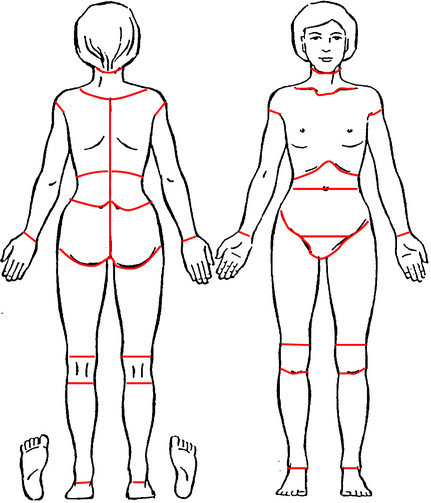
To the left here we see a generalised example of the type of pain chart that might be handed out to patients to help doctors understand where their pain is, instructed to draw a circle in the areas that hurt.
This is an approach that I would also like to consider including, as in an AR scenario I could use animated circles, that are pulsating or emitting colour to suggest discomfort in effected areas. This could be done in 8th wall.
Continued work in 8th wall can then be adding labels and information, 8th Wall provides the means to turn the model into an interactive WebAR experience. It allows the model to be placed in a real world space via a browser, meaning users can explore it directly on their phones. For example, in a doctors appointment or even in the safety of their own home. One other consideration could be adding audio description for the information buttons, which would also help make the experience more accessible.
Overall, combining Blender for creation and 8th Wall for Web functionality demonstrates how Emerging technologies have the potential to be used to make positive forward strides in under researched areas.
Inspo.
Mood Board for emotional consideration surrounding Endometriosis.
The Figma board is more of a conceptual and emotional planning space for my planned Endometriosis AR experience.
Rather than focusing purely on interface design, it considers the emotional factors that the viewer may be experiencing.
Considering these eliments can ensure that the AR experience doesn’t just inform, but also reenforces respectful, supportive, and human content for those affected by the condition.
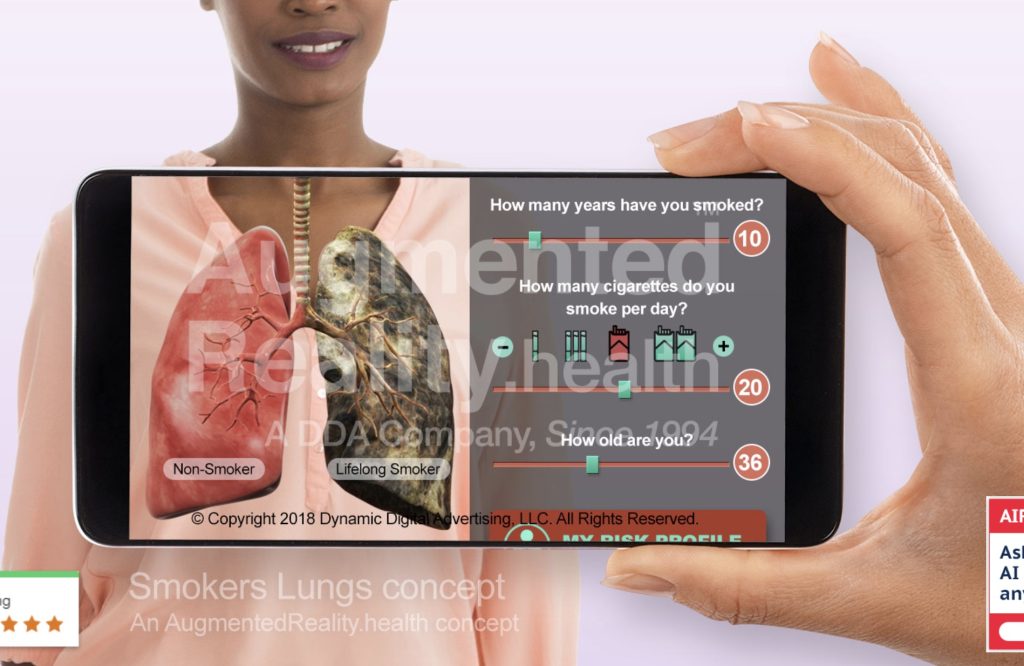
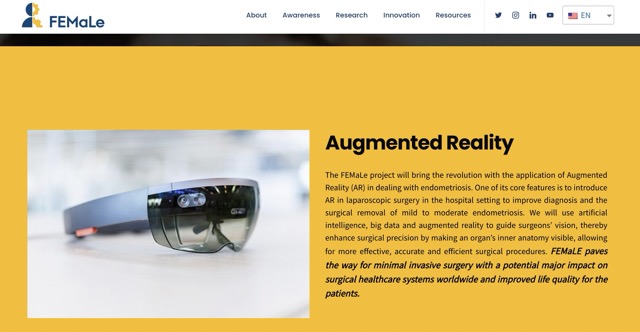
Example of AR program for female health, but more focussed on surgical used for medical professionals. (AI,female)
From the research I have done I can see that while there are existing mobile apps and web-based platforms supporting endometriosis (e.g. symptom tracking) and surgical AR Aids (AI,female). Ive found little evidence of browser-based WebAR or interactive 3D models. Especially ones that are designed specifically for patients to see, communicate and understand their internal symptoms.
This highlights a clear gap that my project aims to address – using Blender and 8th Wall to create an accessible, empathetic AR experience that visualises the condition and supports understanding through interactive design.
Bibliography.
“About Us | Endometriosis UK.” Endometriosis-Uk.org, 2022, www.endometriosis-uk.org/about-us?gad_source=1&gad_campaignid=20096527866&gbraid=0AAAAABiheq-L2GDrENdycTk_tx7iShioX&gclid=Cj0KCQjwgpzIBhCOARIsABZm7vEes5GA900Lb7fLmX-mJwA7PdLsJoq9E8qa2-q0qxWa7K8fZss5u3gaApZJEALw_wcB. Accessed 2 Nov. 2025.
AI female. “AI – FEMaLe.” Findingendometriosis.eu, 2020, findingendometriosis.eu/inovation/ai/. Accessed 3 Nov. 2025.
AugmentedReality.health. “AugmentedReality.health.” Augmented Reality, 2017, augmentedreality.health/anatomy.cfm. Accessed 3 Nov. 2025.
Boyle, Matthew, and Sophie barber. “Mobile Phone and Internet Usage Statistics in the UK.” Finder UK, 12 Nov. 2024, www.finder.com/uk/banking/mobile-internet-statistics.
Endometriosis UK. “Years of Being “Dismissed, Ignored and Belittled”: Endometriosis UK Urges Improvement to Deteriorating Diagnosis Times | Endometriosis UK.” Www.endometriosis-Uk.org, 2024, www.endometriosis-uk.org/diagnosis-report.
Figma, Kate . “Figma.” Figma, 2025, www.figma.com/board/Bi6iPp7AMNZJJYhByqu9fG/Untitled?node-id=0-1&p=f&t=p4qlixGLtlhiwrbb-0. Accessed 2 Nov. 2025.
Hutchinson, Aimee. “Uterus Model – Buy Royalty Free 3D Model by Aimee Hutchinson (@Aimeehutchinson).” Sketchfab.com, sketchfab.com/3d-models/uterus-model-92b381e87d714fa4a6c0843b9dd364dc.
Marabele, Portia Maphale, et al. “Cultural Factors Contributing to Maternal Mortality Rate in Rural Villages of Limpopo Province, South Africa.” International Journal of Women’s Health, vol. Volume 12, no. 32943943, Aug. 2020, pp. 691–699, https://doi.org/10.2147/ijwh.s231514.
Newsdesk. “Could It Be Endometriosis? Endometriosis UK Urges Improvement to Worsening Diagnosis Times.” South West Londoner, 27 Mar. 2024, www.swlondoner.co.uk/life/27032024-could-it-be-endometriosis-endometriosis-uk-urges-improvement-to-worsening-diagnosis-times.
ResearchGate. “ResearchGate | Share and Discover Research.” ResearchGate, ResearchGate, 2024, www.researchgate.net/.