In today’s fast-changing digital world, keeping up with modern web design approaches is more important than ever. The internet has long moved past basic pages and has become an interactive space that requires creativity, adaptability, functionality and inclusion. As people expect more from the websites they visit, it’s essential for sites to not only grab attention but also be easy to use for as wider audience as possible.
User Experience (UX)
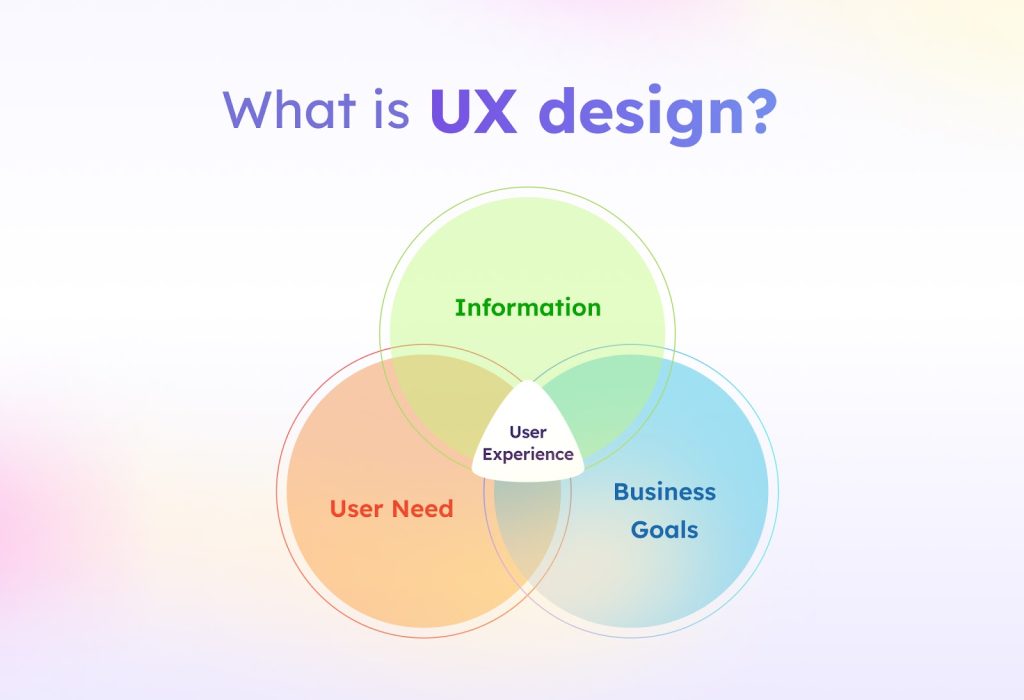
https://www.visily.ai/blog/why-ux-design-is-important/
UX refers to the overall experience a person has when interacting with a Website. It is an umbrella term for all aspects of interaction, including how easy it is to use, how intuitive it feels and how efficiently it allows the user to achieve their goals. The latter being extremely important for a non-profit websites, as making donation simple and easy, makes people more likely to do it. (Douglas,2024) Below I will touch on a couple of ways that UX can be considered within design approaches.
Accessibility
“Web accessibility means that websites, tools, and technologies are designed and developed so that people with disabilities can use them.” (W3C,2024)
Disabilities could include individuals with visual, auditory, motor, or cognitive impairments. The World Health organisation estimate 1.3 billion people experience significant disability. This represents 16% of the world’s population, or 1 in 6 of us. (World Health Organisation,2024)
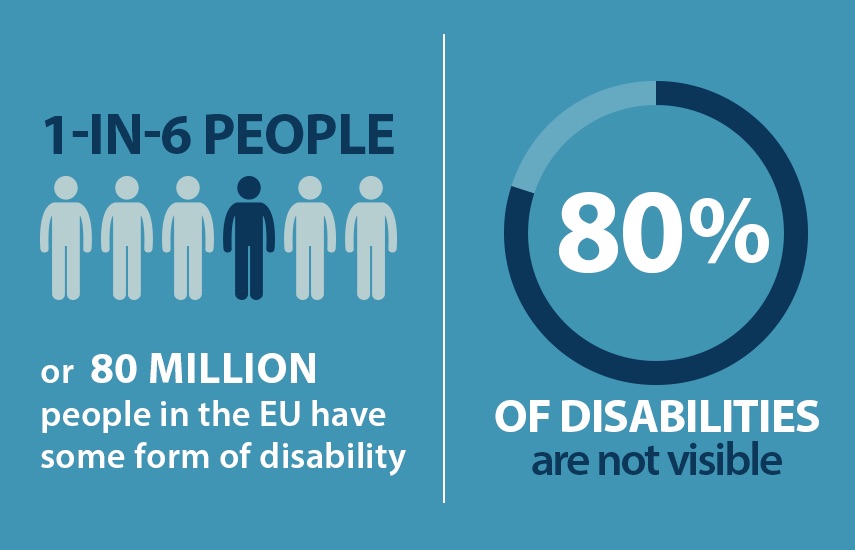
https://www.paved.com/blog/email-design-accessibility/
Aside from the obvious ethical and moral justification for inclusion, By not acknowledging disability within web design companies risk alienating large amounts of potential customers or (in the case of a non profit) people who may donate. To help keep website on the correct path, some guidelines have been made.
Web Content Accessibility Guidelines (WCAG)
WCAG where first published in 1999 and highlight current expectations and international standards for website accessibility.
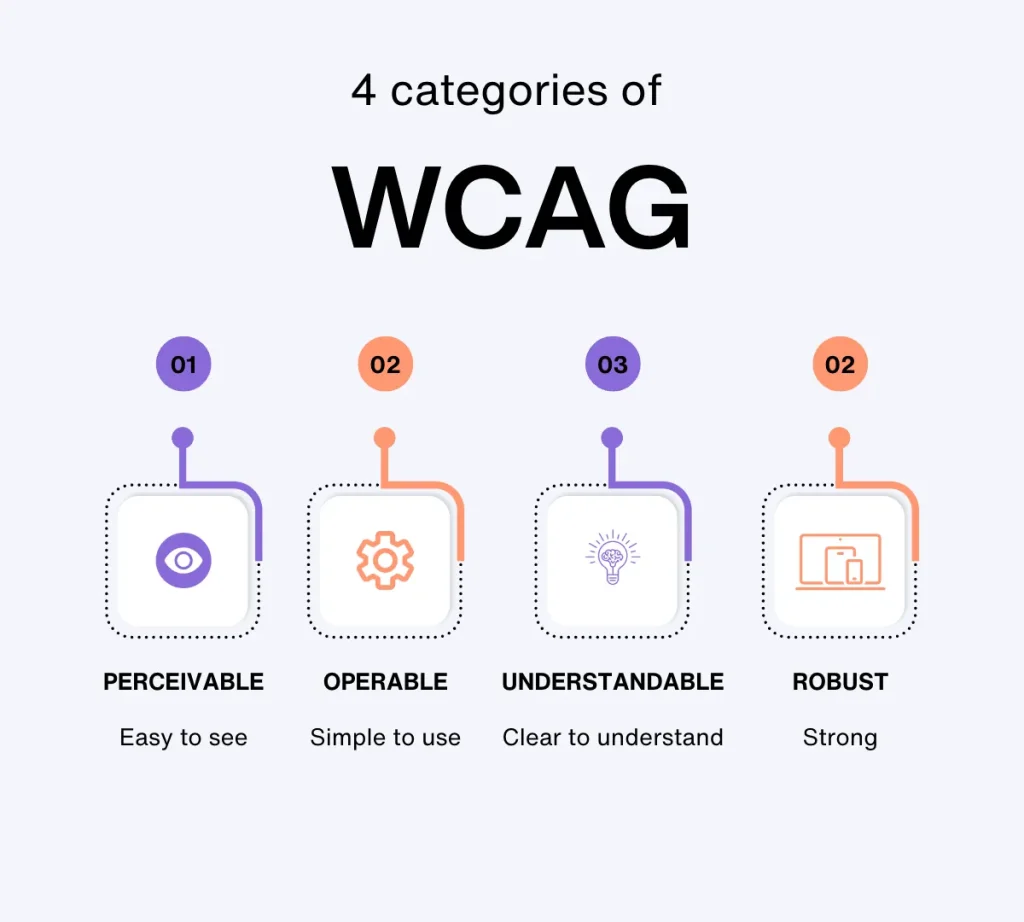
https://www.paved.com/blog/email-design-accessibility/
A simple yet often missed example of making content accessible would be checking contrast ratios for users with visual impairments. To ensure I consider this during my design process, I could use Venngage a website that can guide and suggest WCAG compliant colour pallets. There are several other platforms that can do this similar job for other areas of disability.
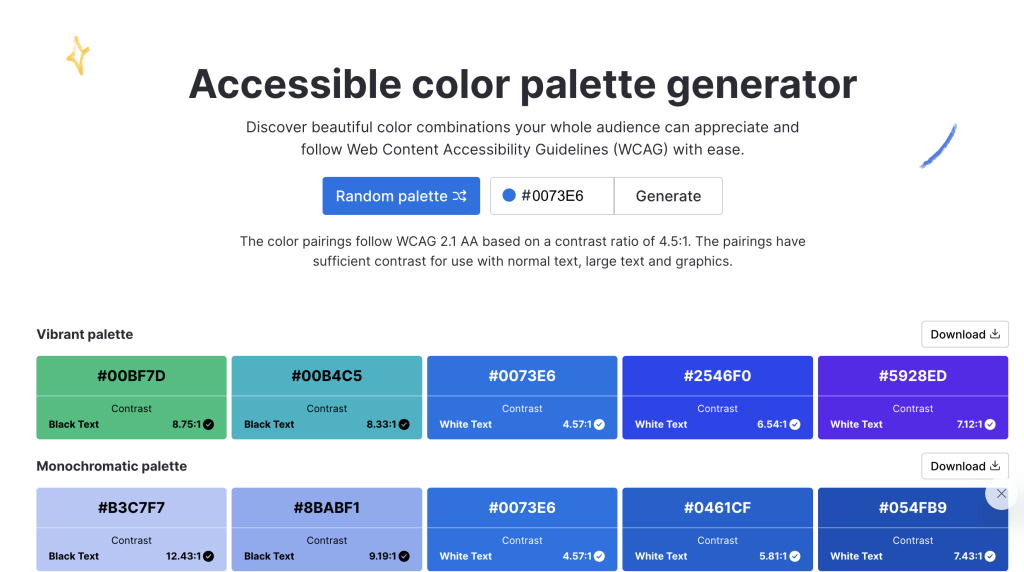
Other ways to consider accessibility Include
- Ensure full compatibility with assistive technology like screen readers.
- Allow for keyboard-only navigation.
- Provide alt text for meaningful images.
- Use proper heading structures.
- Include captions and transcripts for videos. (Yampolsky,2024)
By Prioritising accessibility in web design, non-profits can reach the widest possible audience and ensure more people can engage with the call to action on their website.
Wire Framing.
Wire framing is a crucial step in the process of web design, involving the creation of a basic visual guide that represents the skeletal framework of a website. It could be compared to a blue print in Architecture for example.
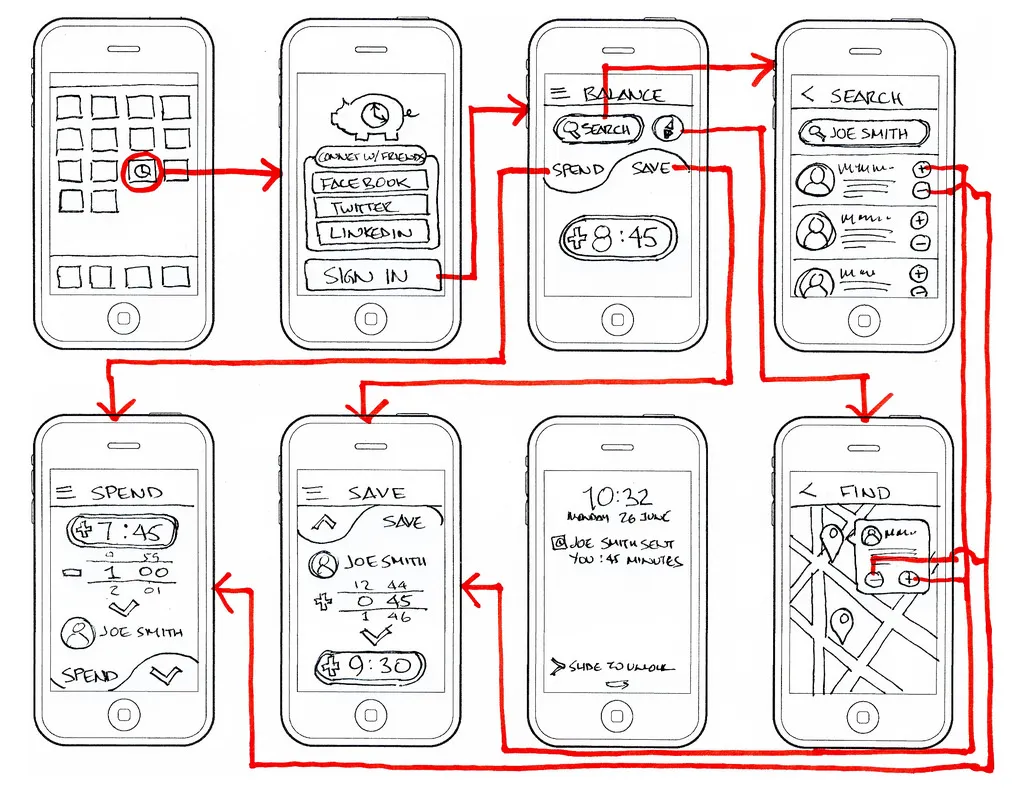
It allows for focus on how the site will be arranged without being distracted by colour schemes or graphics. Considering points such as Visual Hierarchy, User Flow and Functionality. (Fisher)
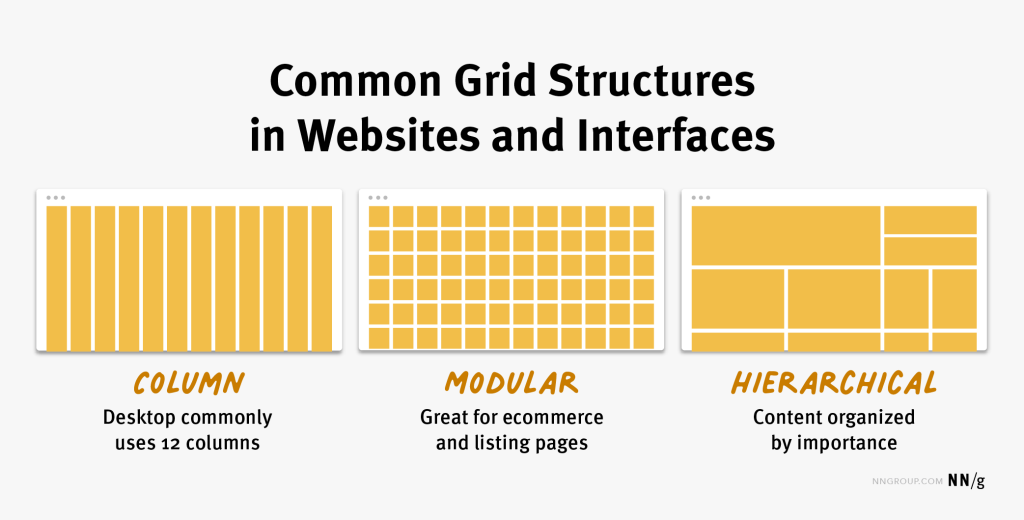
Within Wire Framing there is a design approach called Grid Systems. A grid system is a framework made up of horizontal and vertical lines that arrange and organise content on a screen
Grid designs help to ensure efficient use of space, organisation and general practicality for UX. They also are important when Considering Responsive Design – which I will explain below.
Compatibility.
“Responsive web design (RWD,2024) is a web development approach that creates dynamic changes to the appearance of a website, depending on the screen size and orientation of the device being used to view it.” (Schade,2024)
Responsive design helps to ensure a User friendly experience, Readability, and easy navigation. From personal experience, the frustration of navigating a website on a phone – that has been designed for a PC screen has often resulted in me becoming frustrated and leaving the platform, and I feel this would be the general consensus for many people. It it incredibly important, for UX that a Mobile or Tablet needs to be just as easy to navigate as a computer screen.
In 2023 Mobile UK Published a Landmark Report stating that “21% of UK adults now only accessing the internet using a smartphone.” (Mobile UK,2023) Showing the importance of mobile friendly interface, and how this can ensure increased visibility, and inclusion of people who may have mobiles as their only access to the internet.
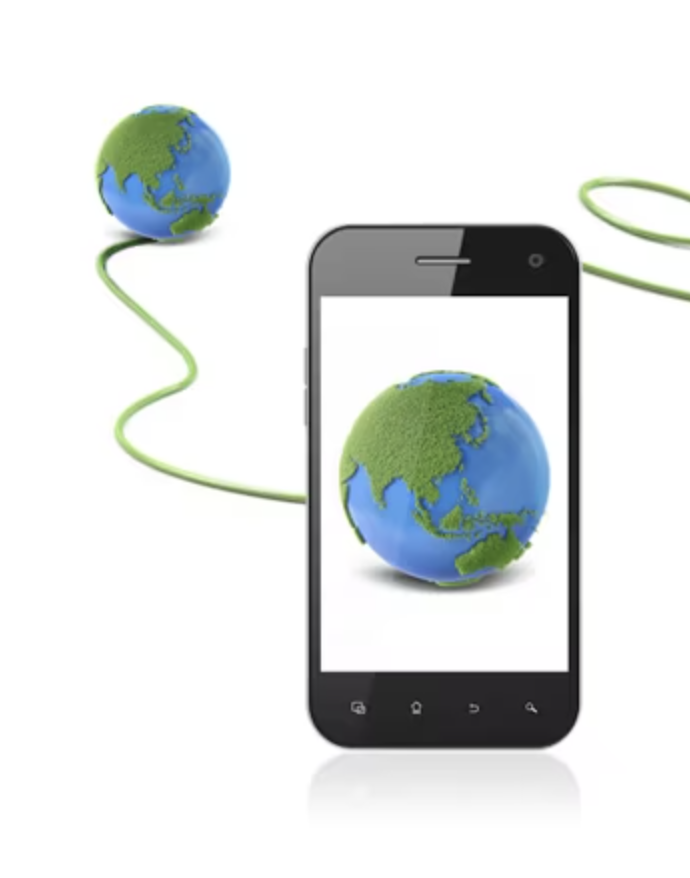
A final point to consider within Compatibility, is how search engines such as google reward mobile friendly and Responsive Design Websites in their search results. This can lead to better search rankings, increased visibility, and higher traffic. (Berg,2024)
To Summarise.
After carrying out my research, I believe that UX should be my main priority within my Website design. By creating an intuitive and user-friendly website I can make it easier for visitors to donate, sign up and learn more, which supports a nonprofit’s goals. Also prioritising accessibility will ensure the site is usable by people with disabilities, which not only broadens the audience but also demonstrates ethical inclusivity—an important value for nonprofits.
Overall my goal should be to make my platform easy – for as many people as possible.
Bibliography
Berg, Justin. “Mobile-First Indexing: Why Mobile Matters More than You Think.” Rock the Rankings, 15 Nov. 2023, www.rocktherankings.com/mobile-first-indexing/. Accessed 6 Nov. 2024.
Douglas, Craig. “Why Is UX Design Important? – Visily.” Visily, 28 Jan. 2024, www.visily.ai/blog/why-ux-design-is-important/. Accessed 5 Nov. 2024.
Fisher, Matt. “What Is Wireframing?” Experience UX, 2015, www.experienceux.co.uk/faqs/what-is-wireframing/. Accessed 6 Nov. 2024.
“Mobile UK Publishes Landmark Report on the Role of Mobile Connectivity in Tackling the Digital Divide.” Mobileuk.org, 2023, www.mobileuk.org/news/mobile-uk-publishes-landmark-report-on-the-role-of-mobile-connectivity-in-tackling-the-digital-divide. Accessed 5 Nov. 2024.
Schade, Amy. “Responsive Web Design (RWD) and User Experience.” Nielsen Norman Group, 4 May 2014, www.nngroup.com/articles/responsive-web-design-definition/. Accessed 5 Nov. 2024.
W3C. “Introduction to Web Accessibility.” Web Accessibility Initiative (WAI), 2019, www.w3.org/WAI/fundamentals/accessibility-intro/. Accessed 5 Nov. 2024.
World Health Organization. “Disability and Health.” WHO, World Health Organization: WHO, 7 Mar. 2023, www.who.int/news-room/fact-sheets/detail/disability-and-health. Accessed 5 Nov. 2024.
Yampolsky, Yoni. “How to Make Your Website Accessible.” Accessibe.com, 26 Mar. 2024, accessibe.com/blog/knowledgebase/make-your-website-accessible. Accessed 5 Nov. 2024.